
A Multi-Discipline Cultural Landmark
The Shule Performing Arts Center was designed as a premier cultural landmark capable of hosting theatrical plays, orchestral concerts, large-scale conferences, and civic events. Rather than treating these functions as separate technical packages, the project required one coordinated system where room acoustics, electro-acoustics, stage machinery, lighting, and control logic could support each other.
As principal full-discipline system integrator, LYN ACOUSTICS was responsible for translating front-end simulation into a physical performance environment. The core mandate was to guarantee pristine acoustic performance across multiple use scenarios while keeping the venue operationally simple for day-to-day technical teams.
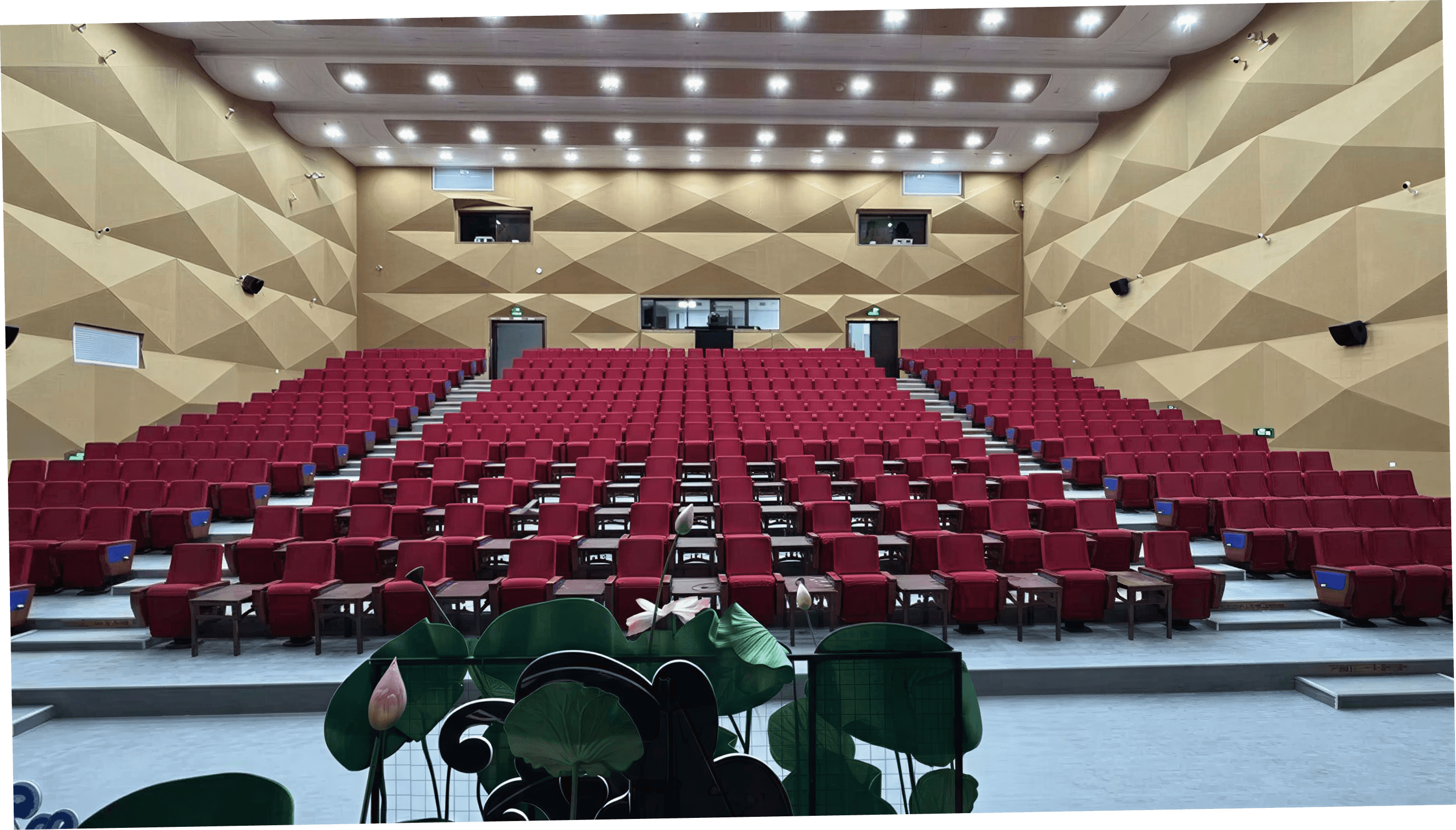
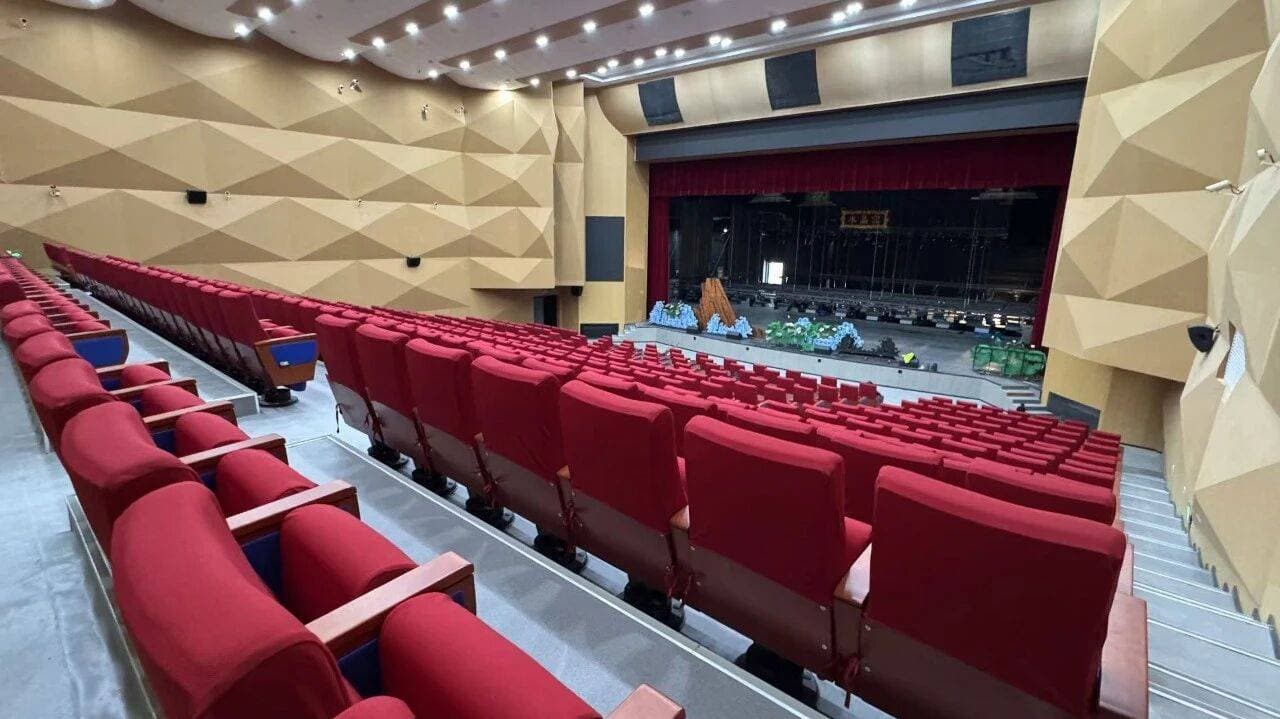
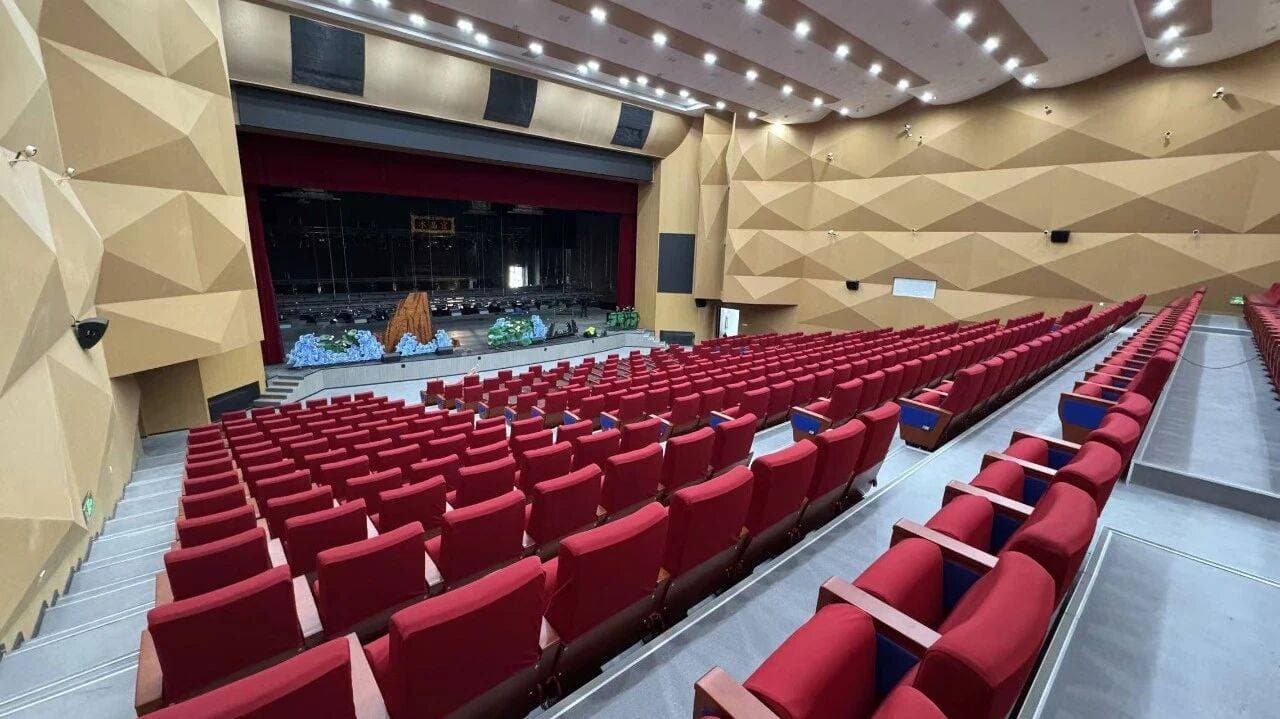
The final auditorium combines red seating, faceted acoustic side walls, concealed technical infrastructure, and a controlled proscenium environment. Every visible surface was reviewed as both an architectural element and an acoustic boundary.
Architectural Acoustics and 3D Simulation
The acoustic design was driven by three-dimensional simulation before construction. A high-fidelity digital twin of the auditorium was built so the room form, wall panels, ceiling reflectors, audience plane, and stage opening could be evaluated as one acoustic system.
The complex geometric wall panels visible along the side walls were parametrically modeled to act as acoustic diffusers. Through iterative ray-tracing analysis, the team calculated the angles and depths required to scatter mid-to-high frequencies evenly across the audience plane, reducing flutter echoes and sound focusing.
For a multi-purpose venue, reverberation time control is especially critical. The simulation guided the placement of high-density absorption behind perforated geometric panels, targeting a mid-frequency full-occupancy RT60 of 1.2 +/- 0.1s while preserving enough acoustic warmth for music and enough clarity for speech.
| Parameter | Value | Notes |
|---|---|---|
| RT60 Target | 1.2 +/- 0.1s | Mid-frequency, full-occupancy design target for balanced speech and music use. |
| Design Method | 3D Ray Tracing | Wall facets, reflector coverage, and absorption placement were reviewed in the digital model. |
EASE Mapping and Phase-Coherent Audio
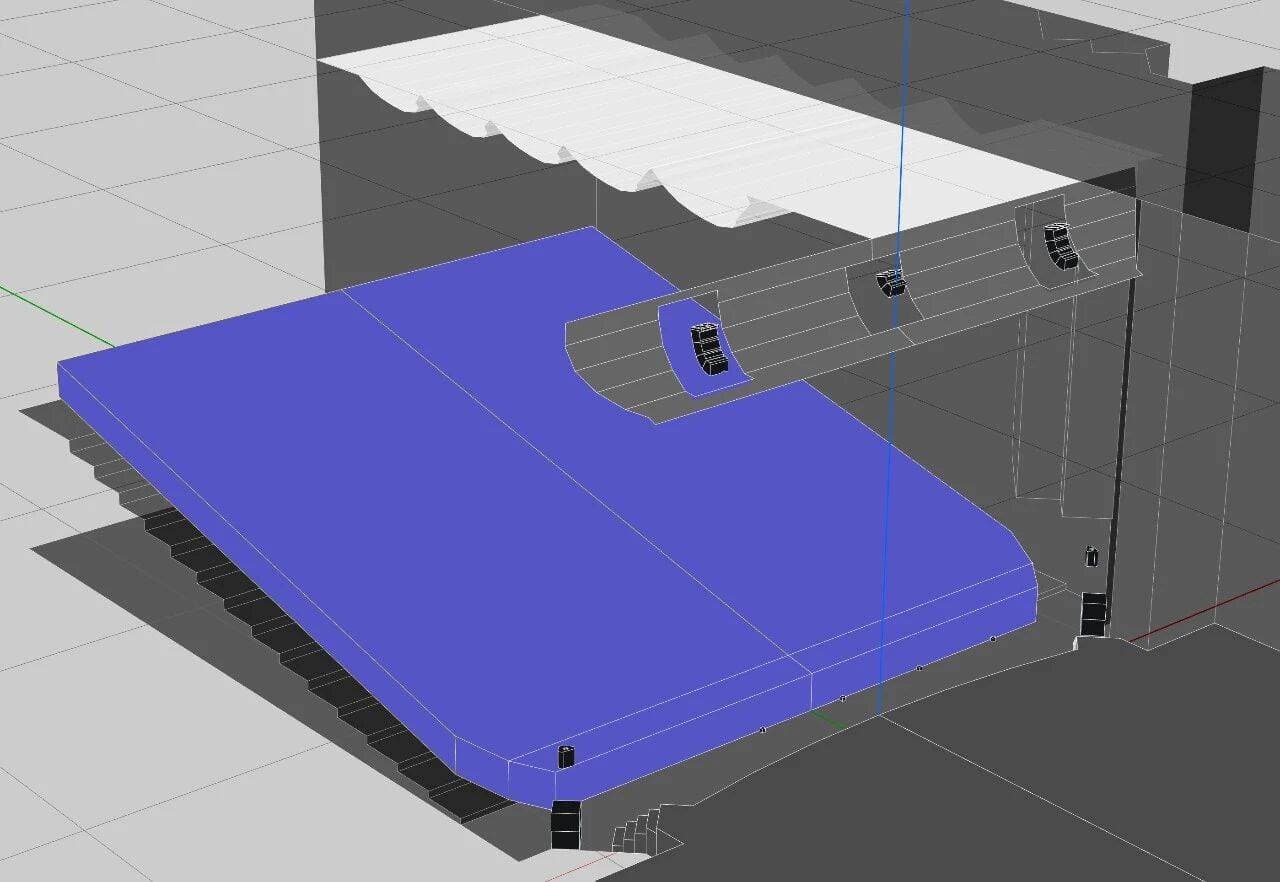
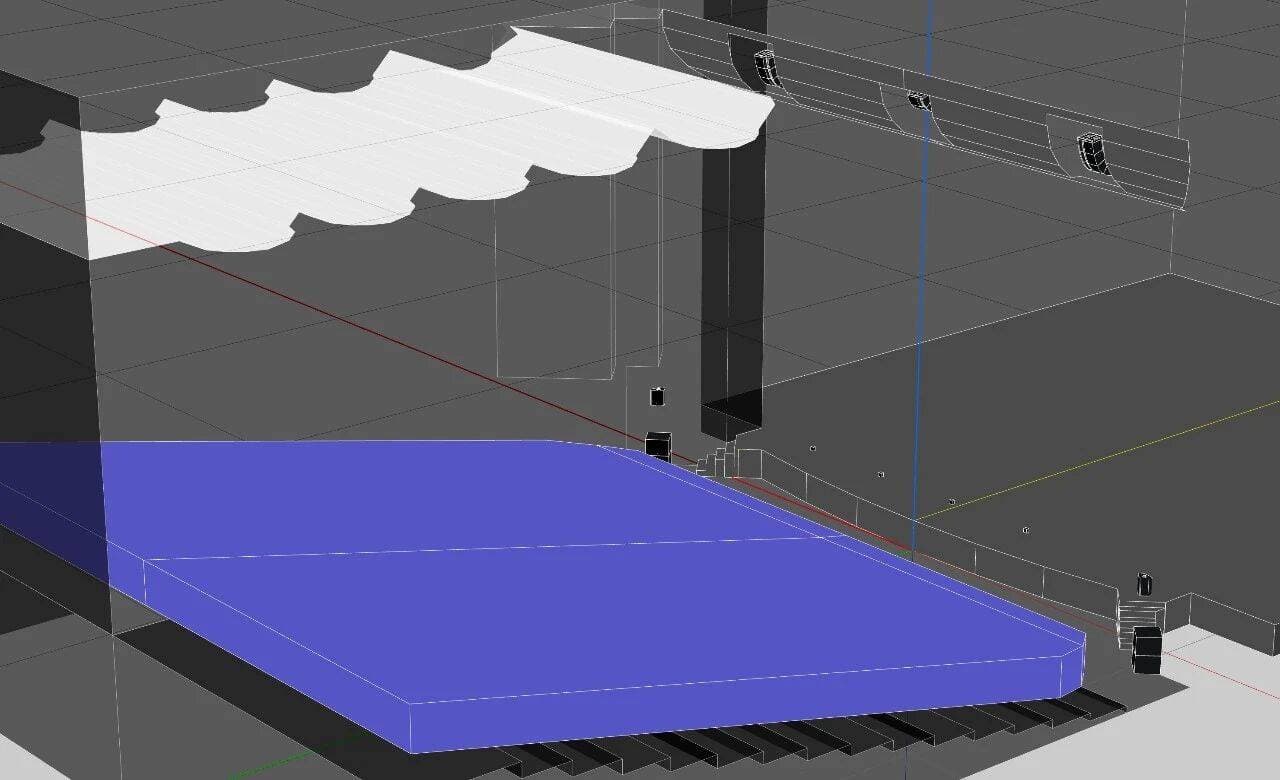
The electro-acoustic system was designed in tandem with the room treatment. EASE modeling allowed the engineering team to predict how loudspeaker directivity, rigging height, splay angles, and throw distance would behave once the room was occupied.
A point-source and line-array hybrid topology was selected to match the proscenium geometry and audience distribution. The design target was an SPL variance of less than +/-3dB across the seating area, giving both front rows and rear rows consistent energy and tonal balance.
The system is routed through a Dante-enabled digital backbone. Advanced DSP handles delay matrices, phase alignment, and tonal correction so electro-acoustic energy arrives in time with useful architectural reflections rather than fighting the natural room response.
| Parameter | Value | Notes |
|---|---|---|
| Coverage Target | +/-3dB | Simulated SPL uniformity target across the main audience plane. |
| Audio Backbone | Dante | Networked DSP routing supports phase-coherent delay calibration across the venue. |
Structural Integration and Rigging Safety
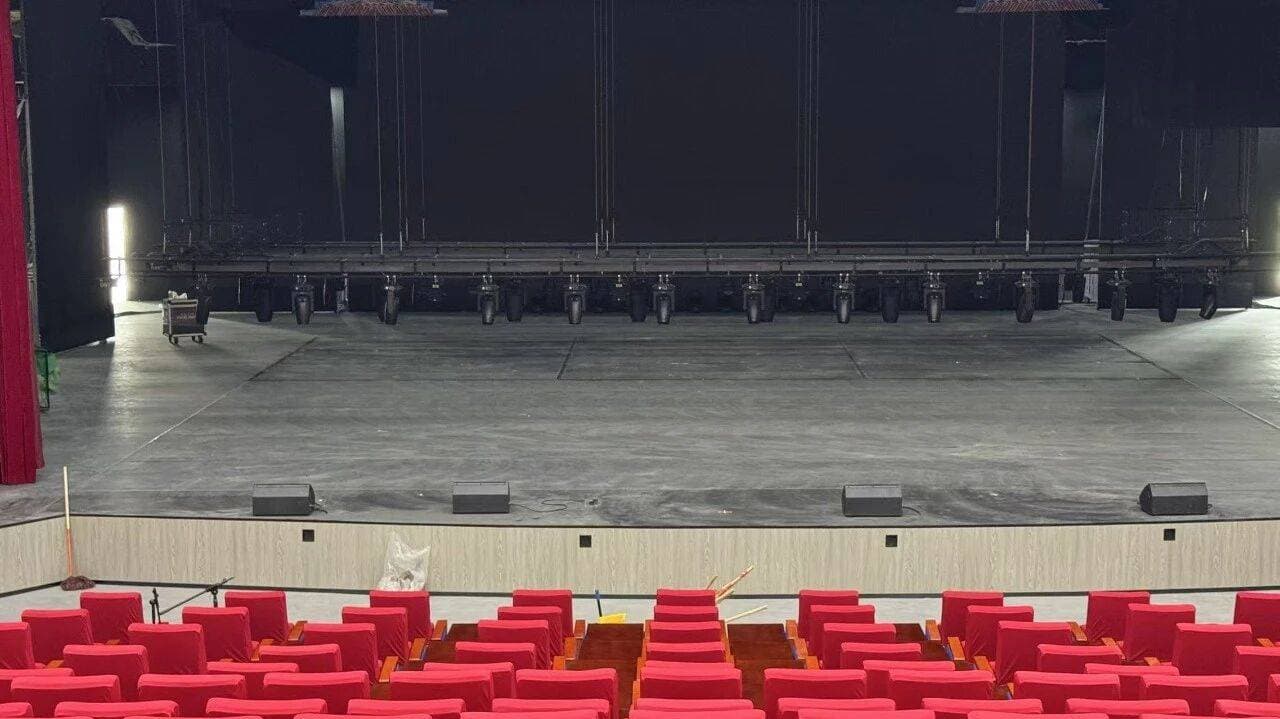
The kinetic infrastructure was engineered to support dynamic artistic requirements while preserving safety and acoustic performance. The over-stage zone includes automated fly bars, lighting battens, scenery hoists, and suspension positions for performance equipment.
Because heavy stage elements and loudspeaker components must operate above performers and technical staff, the machinery control system was designed around rigorous safety principles. Multi-level braking, position feedback, and load monitoring reduce operational risk during rehearsals and live events.
Mechanical integration was coordinated with the acoustic design. Stage lip front fills and low-profile monitoring locations were positioned to cover the first rows without compromising sightlines or disrupting the visual cleanliness of the auditorium.
IP-Based Lighting Networks and Unified Operation
The visual system is driven by an IP-based lighting network operating on Art-Net and sACN protocols. This gives lighting designers precise control over motorized profiles, washes, conventional fixtures, and cue timing while keeping signal routing flexible for different event formats.
The AVL and machinery ecosystem is managed through a unified control architecture. Operators can execute complex multi-discipline show files with predictable behavior, whether the event is a theatrical performance, concert, conference, or civic ceremony.
By grounding the integration strategy in acoustic and electro-acoustic simulation, the Shule Performing Arts Center demonstrates how theoretical models can become a reliable, day-to-day operational performance space.
| Parameter | Value | Notes |
|---|---|---|
| Lighting Protocols | Art-Net / sACN | Network-based fixture control supports responsive cue playback and system flexibility. |
| System Role | Unified AVL | Audio, lighting, machinery, and control workflows were coordinated as one venue system. |